Performance Upgrade 22940701 Digital Power
The Performance Upgrade 22940701 Digital Power offers significant advancements in energy management through improved smart grid integration and real-time data analytics. Its enhanced capabilities facilitate effective energy consumption management and promote interoperability among various devices. By focusing on adaptive load management, this upgrade aims to reduce energy waste and bolster operational efficiency. The implications of such advancements stretch beyond immediate applications, raising questions about future developments in digital power technology.
Key Features of Performance Upgrade 22940701
The Performance Upgrade 22940701 introduces several key features designed to enhance digital power management systems.
This upgrade facilitates improved integration with smart grid technology, optimizing energy efficiency through real-time data analytics and adaptive load management.
Enhanced communication protocols ensure seamless interoperability among devices, empowering users to exercise greater control over energy consumption patterns and contributing to a more sustainable and flexible energy landscape.
Benefits of Enhanced Digital Power Management
While traditional power management systems often struggle with inefficiencies and limited adaptability, enhanced digital power management offers significant improvements in operational effectiveness.
By optimizing energy efficiency, these systems minimize energy waste, leading to substantial cost savings.
Furthermore, their advanced algorithms allow for real-time adjustments, enabling organizations to respond dynamically to changing demands, ultimately fostering a more sustainable and economically viable operational framework.
Applications and Use Cases
Numerous applications across various industries benefit from enhanced digital power management systems.
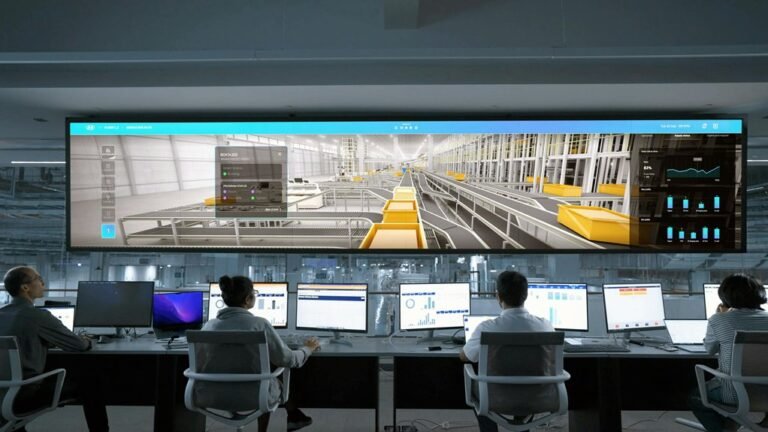
In industrial automation, these systems optimize energy usage and enhance operational efficiency.
In renewable energy sectors, they facilitate better integration of solar and wind power, ensuring stability and reliability.
The adaptability of digital power technology allows for innovative solutions, meeting the evolving demands of both automation and sustainable energy practices.
Future of Digital Power Technology
As digital power technology continues to evolve, its future appears promising, driven by advancements in artificial intelligence and machine learning.
The integration of smart grid solutions will enhance energy efficiency, optimizing power distribution and consumption.
This convergence not only supports sustainability but also empowers consumers with greater control over their energy usage, fostering a decentralized approach that aligns with the growing demand for autonomy and innovation.
Conclusion
In conclusion, the Performance Upgrade 22940701 Digital Power represents a pivotal advancement in energy management, coinciding with the global shift towards increased sustainability and efficiency. By leveraging real-time data analytics and enhancing adaptive load management, this upgrade not only optimizes energy consumption but also aligns with contemporary demands for smart grid integration. As organizations embrace this technology, they fortify their operational effectiveness and contribute to a more sustainable energy landscape, thus redefining the future of digital power management.